EIT SpotCure SP365 UV Intensity Meter (USA) for measuring UV point light sources
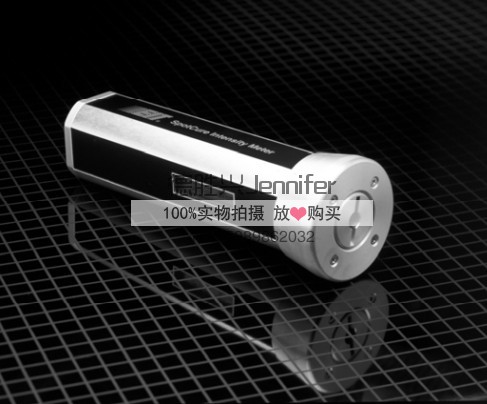
EIT SpotCure, EIT SP365, EIT SpotCure SP365, EIT (USA), EIT illuminance meter
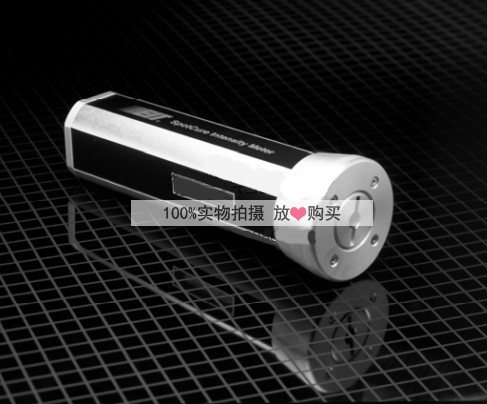
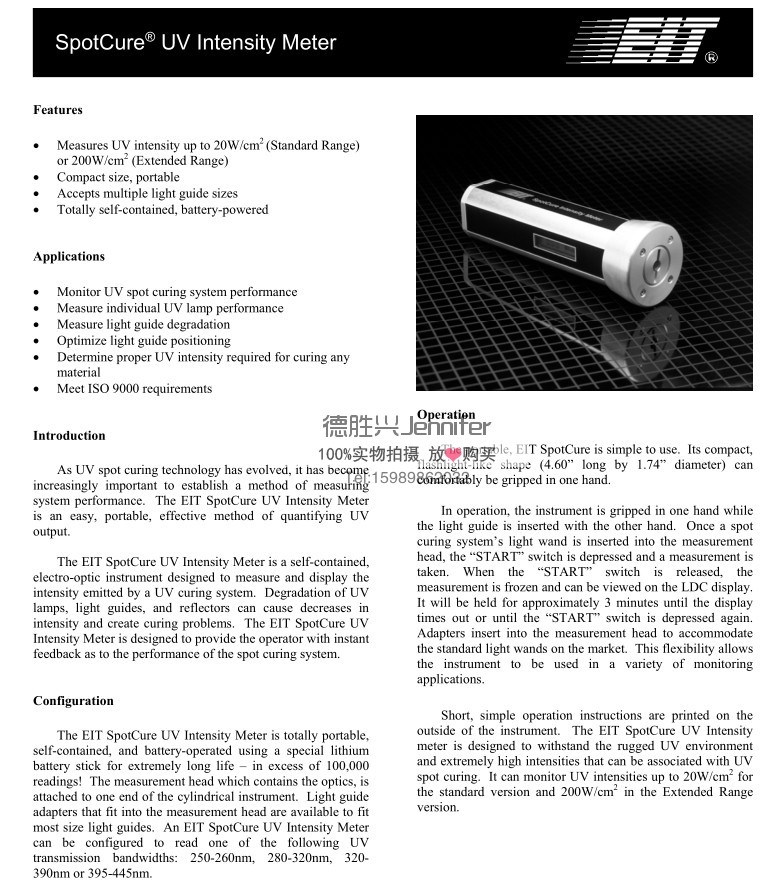
The SpotCure SP365 Handheld Portable UV Intensity Meter is a hand-held UV radiometer used to measure the energy and irradiance output of UV point-source curing systems, in order to determine whether the UV output has diminished or deteriorated.
SpotCure’s measurement head is compatible with light guides of various sizes. The unit displays peak irradiance in watts per square centimetre (W/cm²).
Features of the EIT SpotCure SP365:
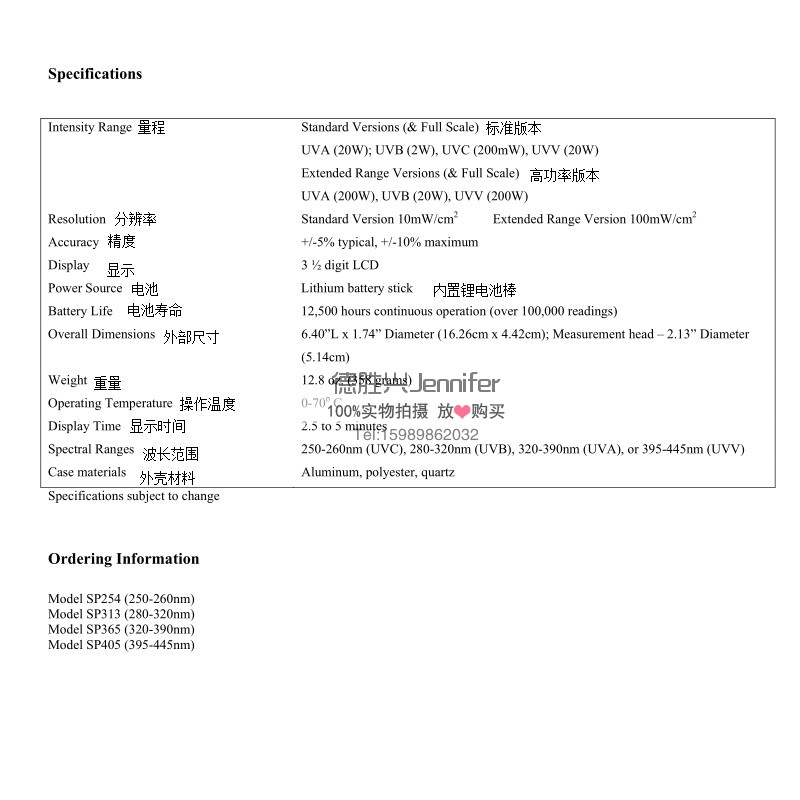
1. Measurement range up to 20 W/cm² (Standard Range) or 200 W/cm² (Extended Range)
2. Compact and portable
3. It features multiple sensing probes, suitable for light-emitting apertures of point light sources of various sizes.
4. Separate battery power supply
Areas of Application
1. Monitoring the performance of the UV spot-curing system
2. Measuring the performance of a single UV lamp
3. Measurement of optical fibre attenuation
4. Optimisation of optical guidance
5. Determine the illuminance required for the curing material
• Complies with ISO 9000 requirements
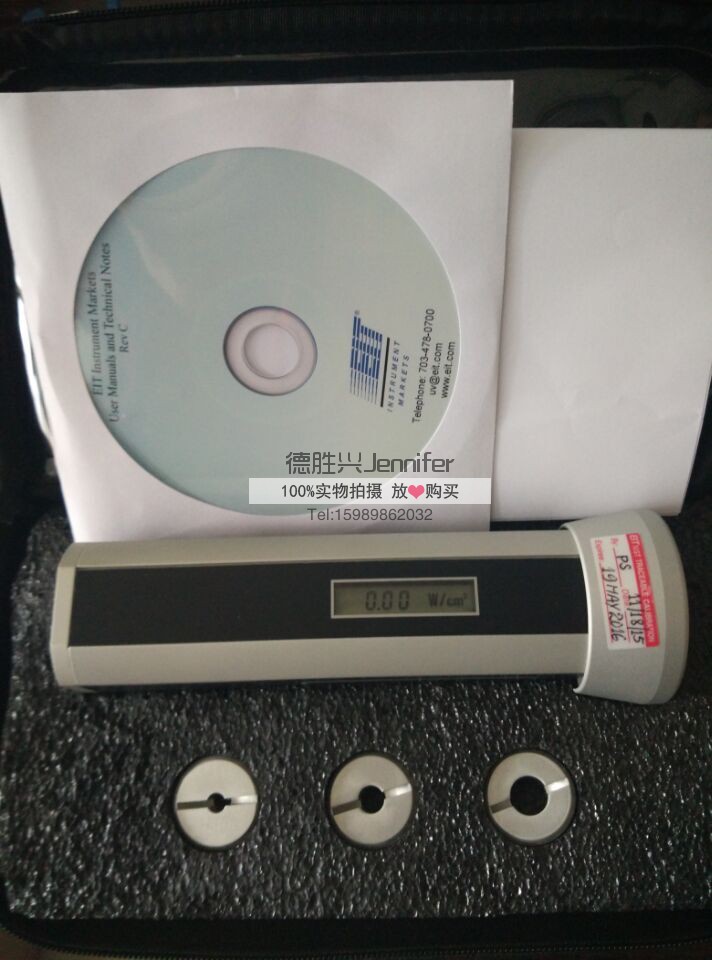
Product Overview: SP365
With the advancement of UV spot-curing technology, it has become essential to find a measuring instrument suitable for spot-source UV light. The EIT SpotCure is just such a simple, portable and effective UV energy meter for detecting UV spot sources.
The EIT SpotCure UV intensity meter features a split-body design and is used to measure and display the intensity of the light emitted by the light source in a UV curing system. A decline in UV irradiance from the UV lamp, light guide plate and reflector can lead to curing issues.
The EIT SpotCure UV intensity meter is designed to provide operators with immediate feedback on the performance of spot-curing systems.
Configuration
Special lithium battery stick with an extremely long service life – over 100,000 readings!
A measuring head containing optical components is fitted to one end of the cylindrical instrument. The light guide plate fitted within the measuring head is compatible with most sizes of light guides.
The EIT SpotCure UV intensity meter can be configured to measure one of the following bandwidths: 250–260 nm, 280–320 nm, 320–390 nm or 395–445 nm.
Instructions for Use
The EIT SpotCure UV energy meter is compact, easy to operate and portable. It resembles a torch (4.60 inches long, 1.74 inches in diameter) and can be easily held in one hand.
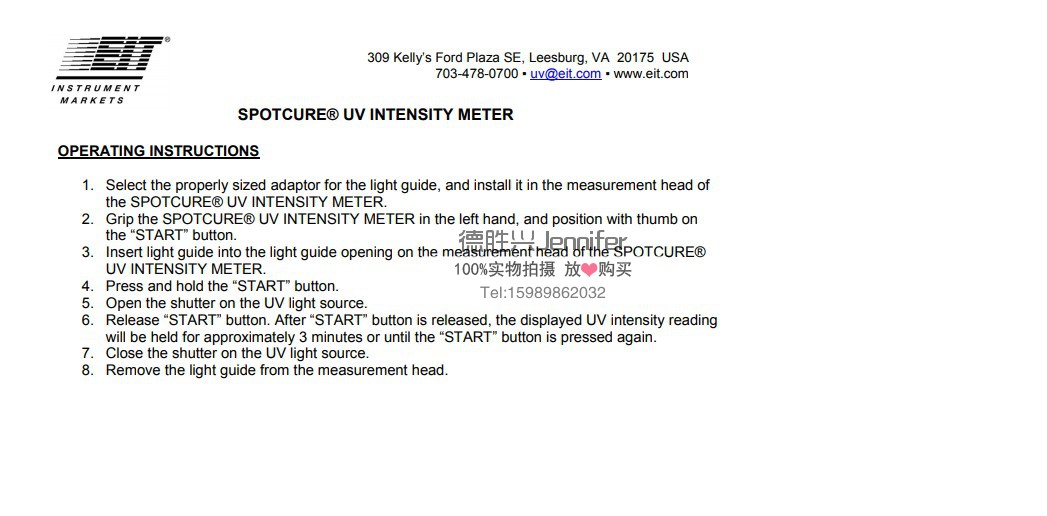
During operation, hold the instrument in one hand and insert the light guide into the other. Position the beam from the point light source against the photosensitive plate, then press the “START” button to begin the measurement.
When the “START” switch is released, the measurement is held, and the data can then be viewed on the LCD display. If the operator does not take the next measurement, the data will remain displayed for approximately 3 minutes until the display times out.
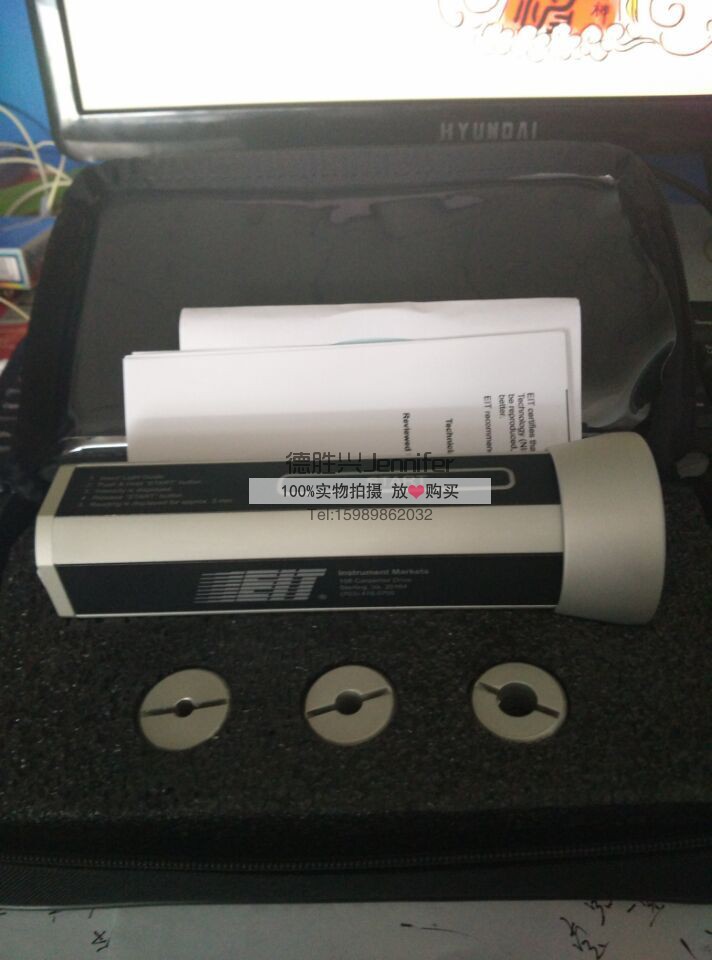
To use, insert the adapter into the measuring head. The instrument is supplied as standard with a range of adapters to suit the various UV point light source beam diameters currently available on the market. Brief operating instructions are printed on the body of the instrument for easy reference.
The EIT SpotCure UV irradiance meter can be used to measure small, uneven areas and can withstand extremely high irradiance levels. The standard version of the EIT SpotCure irradiance meter can monitor UV intensities of up to 20 watts per square centimetre, whilst the high-intensity version can handle up to 200 watts per square centimetre.
Introduction to EIT
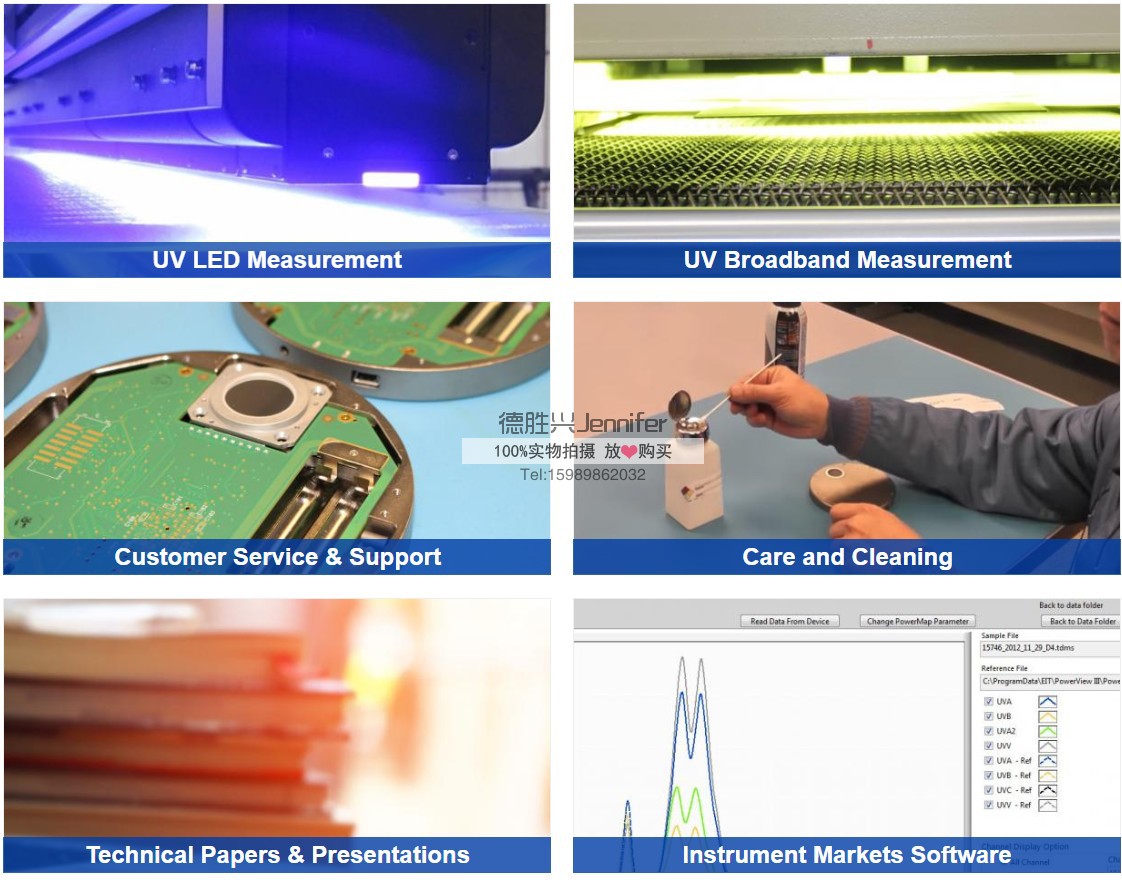
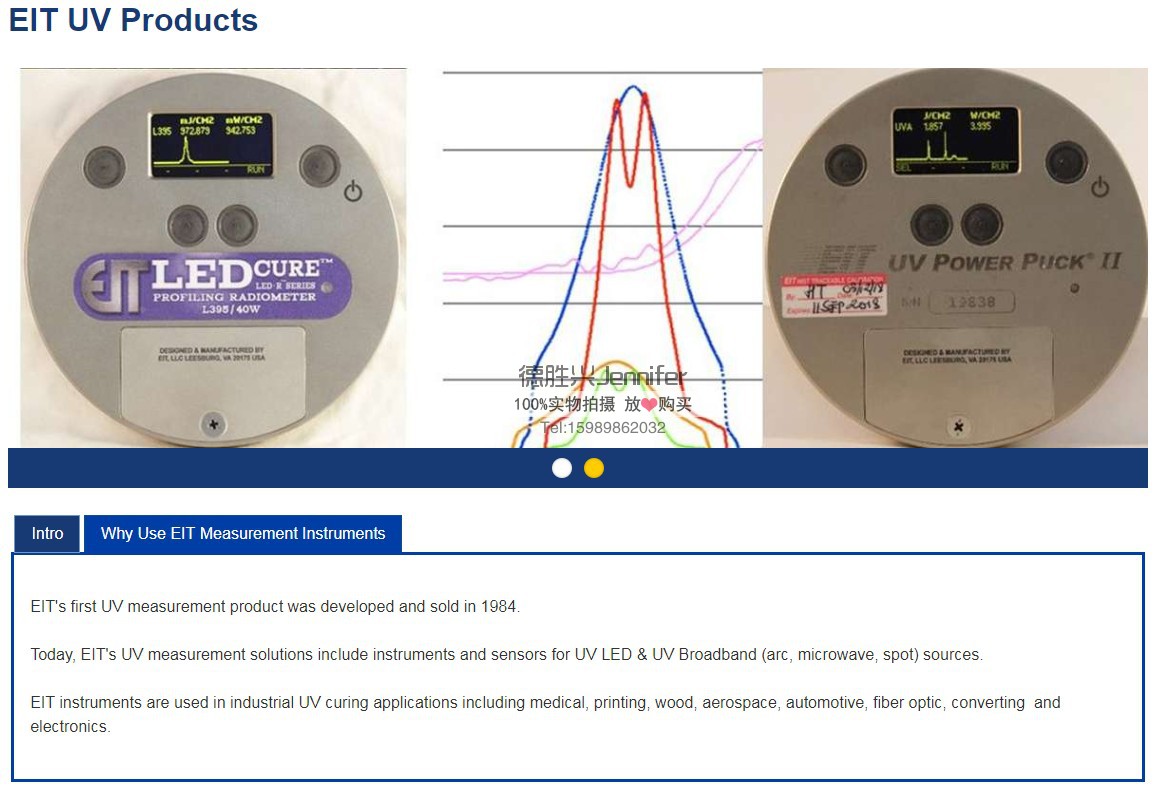
EIT’s first UV measurement instrument was developed and launched in 1984. Today, EIT’s UV measurement solutions include products for UV LEDs and broad-spectrum UV light sources (arc, microwave and spot) and sensors.
EITUV energy meters are used in industrial UV curing applications, including the medical, printing, timber, aerospace, automotive, fibre-optic, conversion and electronic lighting sectors.